

Your association probably has a list of interested companies. The real question is whether every one of those prospects has a named owner, a recorded conversation, and a clear next step. For most small-staff associations, the answer is no. That gap between interest and action is where member connections either begin or quietly die.
Key Takeaways
- Strong member connections begin before a company joins, during the first interactions with your association. Following up within 48 hours significantly increases engagement rates.
- The main follow-up gap for small-staff associations is not finding prospective members. It is assigning clear ownership and next steps for each relationship.
- A simple, visible recruitment workflow (capture signal, assign owner, log history, set next action, review weekly) can prevent interested prospects from going cold.
- Reliable member intelligence and clean prospect data help staff prioritize outreach and have more relevant, benefit-focused conversations.
- Platforms like Merit Layer’s Grow component can help U.S. associations manage prospective member companies, follow-up tasks, and membership growth without replacing their existing AMS.
Why Member Connections With Prospective Members Start With Reliable Prospect Follow-Up
Imagine this: a prospective member company sends three employees to your June webinar. Their marketing manager asks about membership benefits afterward. Your team jots a note in someone’s inbox. Two weeks later, nobody has followed up. That company’s interest fades, and the association never knows what it lost.
This scenario plays out constantly. Engagement drops quickly after events unless staff follows up in a timely way. Associations usually have plenty of interested prospects from events, referrals, local businesses, and their website, but that interest is scattered across spreadsheets, email threads, and staff memory. The problem is not demand; it is follow-through.
For company-based memberships, the goal is to build a relationship with the organization, not just collect individual business cards from several contacts. Regular touchpoints support member relationships over time, and meaningful relationships contribute to healthy, resilient communities. Strong member connections and long-term membership growth depend on a dependable follow-up strategy, not just a bigger list.

What Associations Are Really Managing: Companies, Contacts, And Stages
Most teams overlook a practical distinction. A contact is a person who attended an event, downloaded a resource, or filled out a form. A prospective member is the company you are actively recruiting into membership. One prospective member organization may have several contacts: a CEO who signs the dues notice, a government affairs director who joins the advocacy committee, and a marketing manager who attends events. For example, those three people may all belong to the same company relationship even though they participate in different ways.
Structured engagement helps prevent unproductive networking experiences. Staff should always be able to answer three questions in one place:
- Who owns this prospect company? One person accountable for moving the relationship forward.
- What happened last? The most recent conversation, email, or meeting logged.
- What happens next? A specific action with a due date.
Effective onboarding paths integrate new members into existing networks, and member connections enhance knowledge sharing across organizational departments. A structured membership conversion process moves each prospective company through clear stages, from “identified” to “new members.” Merit Layer’s Grow component is built around company-based memberships, helping staff organize prospective member companies, their contacts, stages, and follow-up tasks in a clear project structure without needing a full system replacement.
Where Prospect Follow-Up Breaks Down For Small-Staff Associations
Many organizations know the pattern, and it is a common challenge. Business cards that never leave a briefcase. Attendee lists saved on a shared drive with no owner. Web inquiries answered once and never revisited. The breakdowns are predictable:
- No single owner. When nobody owns it, everyone assumes someone else will follow up.
- Inbox dependency. Conversations live in personal email, invisible to the rest of the team.
- Staff transitions. One vacation or departure can stop parts of the recruitment pipeline entirely.
- Memory-based operations. Historical data about prospects exists only in someone’s head.
Small-staff associations in the United States are especially vulnerable because there is no redundancy. Members who feel connected are more likely to participate in organizations, and engaging members after an event increases relationship strength. But inconsistent or missing follow-up also damages the future member experience, because prospective members remember slow or confusing responses even if they eventually join.
The Follow-Up Mistakes That Quietly Cost Membership Benefits And Conversions
High-performing organizations treat post-event follow-up as a structured system, not a short-term campaign. Most association teams do not. Here are the mistakes that quietly cost conversions:
- No clear owner. The prospect company sits in a shared list. Nobody moves it forward.
- No next step. A thank-you email goes out with no clear offer, no proposed call time, no invitation to visit. One clear action in follow-up messages reduces decision fatigue, and clear next steps in follow-up messages enhance member engagement.
- Duplicate outreach. Two staff members contact the same company with different messages. The association appears disorganized.
- Long delays after events. Multi-week delays create cognitive distance. The prospect no longer remembers the specifics of your conversation or which membership benefits resonated.
- Incomplete records. When staff cannot see past conversations, benefits already discussed, or prior participation, they default to generic, less persuasive outreach.
Segmented follow-up plans improve engagement by respecting audience differences. Segmented follow-up messages improve response rates and relevance. A generic “thanks for attending” email to 200 first-time attendees will never perform as well as a tailored message that mentions the session they attended and the specific benefit they asked about.
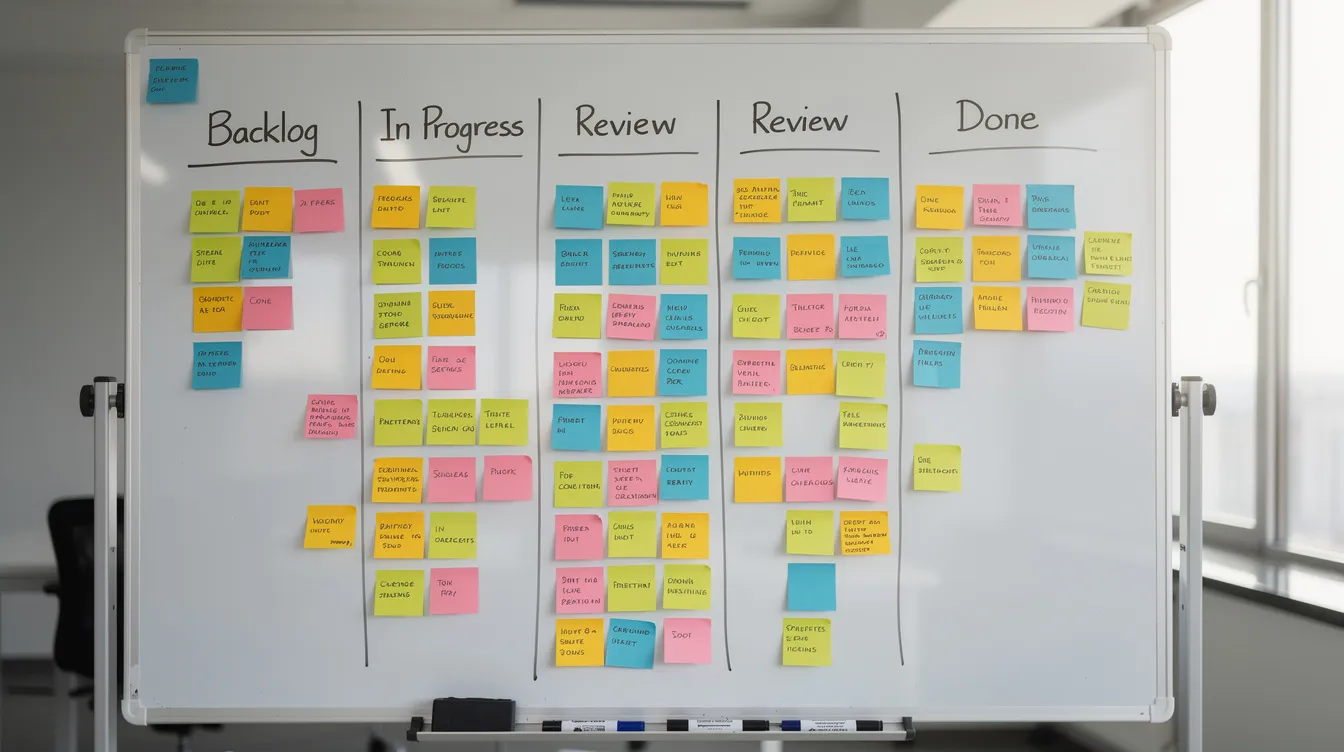
A Simple Recruitment Workflow Associations Can Actually Maintain
You do not need a complex sales pipeline. You need five repeatable steps and twenty minutes a week.
- Capture every signal. Event registrations, referral emails from current members, inquiries from local businesses, form fills from your “membership benefits” page. Every signal creates or updates a prospective member company record.
- Assign a clear owner. One person responsible for that company’s recruitment. Document it where the whole team can see.
- Log the last interaction. What was discussed, which contacts were involved, and what benefits or objections came up.
- Set one specific next action with a due date. “Send proposal by Thursday” or “Schedule call for next week.”
- Review weekly. A 20- to 30-minute standing review where staff scans all follow-up tasks due, moves prospective members forward, and reassigns where needed.
This process captures signals from many sources. Events should encourage members to bring non-member friends for recruitment, and follow-up can include easy access to a webinar recording, Q&A, or similar resource. Associations should simplify online sign-ups to boost membership conversions. Seasonal membership drives can create urgency and exclusivity, and customized membership offers can address specific group needs effectively. Incentivized member referrals can boost retention rates by 37%.
Use simple, named stages in the membership conversion process: “new inquiry,” “qualified prospect,” “proposal or application sent,” and “decision pending.” This workflow can live in an existing AMS or spreadsheet, but dedicated member intelligence tools like Merit Layer Grow can make ownership, stages, and history easier to manage across the team.
How Member Intelligence Improves Member Satisfaction By Making Follow-Up More Relevant And Timely
Member intelligence, in everyday terms, is a connected view of each company’s interactions: events attended, web activity, prior membership, conversations your staff has already had. It replaces guesswork with context.
This intelligence helps staff better understand each prospect so they can tailor outreach. Instead of a generic benefits overview, a membership director can reference the specific event session a prospect attended in April or the particular membership benefit they asked about. Listening to members enhances their overall experience. Personalized experiences increase member satisfaction and retention, starting with the first conversation.
Tools can surface signals such as multiple web visits to your membership benefits page or a spike in attendance by non-members from the same company, so staff know which prospective members deserve immediate attention. Segmentation improves post-event follow-up engagement rates. Members referred by others have a 37% higher retention rate, so referral sources deserve priority tracking as part of retention efforts. Diverse groups can inspire new ideas and innovative solutions when the right companies are brought together.
AI can help draft follow-up email language or suggest a starting set of stages, but staff review and final decisions remain essential. Merit Layer’s Grow component brings scattered prospect information into one recruitment workflow, while Engage and Connect help strengthen member connections after organizations join.

What Follow-Up Tasks To Track So Your Follow-Up Process Stays Usable
Track fewer fields, but track them well. Here is a realistic data set for each prospective member company:
| Field | Why It Matters |
|---|---|
| Owner | Prevents drift; everyone knows who is responsible |
| Stage | Makes pipeline progress visible at a glance |
| Primary contact | Directs communication to the right person |
| Last touch date | Flags stale prospects (no activity in 30+ days) |
| Next scheduled action | Ensures every prospect has a concrete next step |
| Lead source | Reveals which channels produce the best warm leads |
| Notes on benefits discussed | Enables tailored, relevant follow-up conversations |
The priority is that every interested prospect has one named owner and one visible next step, and a short dashboard can include a link to a related article or reference material when useful, not dozens of unused data points. Building micro-communities encourages psychological safety among members, and small-group interactions often lead to deeper relationships than large events. The same principle applies to your prospect data: focus on a small community of well-managed relationships rather than a sprawling, unattended list.
Review a short dashboard or list weekly. Focus on prospective members with overdue follow-up tasks or no recorded activity in the last 30 days. These tracking habits lay the foundation for a stronger member retention workflow once companies convert to full membership.
From Prospect To New Member: Connecting Recruitment And Retention
A thoughtful recruitment workflow improves the first-year member experience. Staff starts with a clear picture of why the organization joined and which membership benefits matter most. Personalized onboarding improves member retention by 82%, so carrying forward prospect notes into the onboarding plan makes a measurable difference.
- Invite a new member company to a committee they mentioned during recruitment, or introduce them to specific existing members in their region. Facilitated introductions can help transform passive members into active participants.
- Professional development occurs organically through member connections, and peer mentorship introduces junior members to seasoned professionals when associations actively make those connections.
- Recognition of member contributions fosters a sense of belonging. Even acknowledging a new member’s decision to join sets the right tone.
- Intentional networking initiatives reduce organizational silos, and strong member connections facilitate agile responses during organizational changes.
Stronger member connections improve employee engagement and retention within member companies, which reinforces the value of the association itself. The through-line is clear: member connections do not begin at the invoice. They begin with the first timely, relevant follow-up to an interested prospect, and they grow when current members feel valued and visible.
Using Merit Layer To Support Prospect Follow-Up Without Adding Busywork
Merit Layer is a Member Intelligence Suite that complements, rather than replaces, an existing AMS. For a small U.S. association team, the focus is practical: organize prospective member recruitment so nothing falls through the cracks.
Grow stores prospective member companies, related contacts, recruitment stages, ownership, follow-up tasks, and conversation history. This helps staff avoid duplicate outreach and missed callbacks. It supports imports, geographic outreach planning, and event invitations to keep recruitment consistent, while allowing different follow-up paths for sponsors when that outreach needs a different approach.
Once organizations join, Connect can improve member connections by making companies more visible in a directory, while Engage supports engagement scoring and value reporting. Advocate helps with advocacy coordination as the relationship matures. Members feel the difference when an association responds promptly, remembers their priorities, and connects them to the right people and resources from day one.
The question worth asking is straightforward: can your current prospect follow-up system show you, right now, who owns each relationship and what should happen next? If the answer is no, that is the gap where stronger member connections, and the membership growth that follows, are waiting.

Frequently Asked Questions
These questions address operational details about association prospective member follow-up that small teams commonly encounter.
How fast should our association follow up with an interested prospect?
Responding within one business day is a practical target for most small-staff associations. Follow-up within 48 hours increases response rates significantly, and even a brief, personalized acknowledgment with a proposed next step can preserve momentum. Create a simple template for first responses that staff can customize with details about relevant membership benefits, upcoming events, or a specific reason the company might want to join.
Who should own prospect follow-up in a very small association team?
One person, often the executive director or membership director, should own the overall recruitment workflow. Assign individual prospective member companies to specific staff or key volunteers. Document ownership in a shared system so that if staff change roles, take vacation, or leave entirely, prospective companies do not lose their history or next steps. The job is not to do everything alone; it is to make sure every company has a partner on your team.
How do we handle multiple contacts at the same prospective member company?
Designate one primary contact for recruitment decisions while still recording other contacts who influence the decision or will use membership benefits. Communicate strategically: send the value proposition and proposal to the decision-maker, and share program details or event invitations with operational or technical contacts at the same company. This prevents duplication and keeps your audience clear.
What if our existing prospect data is messy or scattered across tools?
Start with a basic inventory. Export prospect lists from email tools, event platforms, and spreadsheets into one working file, then standardize essential fields like company name, primary contact, and last activity date. Prioritize clean, usable records over perfect completeness. A plan to improve data quality incrementally is far more valuable than waiting for everything to be perfect before taking action.
How can we measure whether our new recruitment workflow is working?
Track a few simple indicators each month: number of new prospective members added, average response time to inquiries, percentage of prospects with a named owner, and number of conversions to new members. Review these metrics in a short monthly report or meeting. Use them to adjust your follow-up cadence, refine which membership benefits to emphasize in early conversations, and identify which lead sources produce the strongest prospects. Even modest improvements in these numbers can create a noticeable difference in membership growth over a year.


